
Industry Trends
4 Best Practices for Project Portfolio Management in 2026
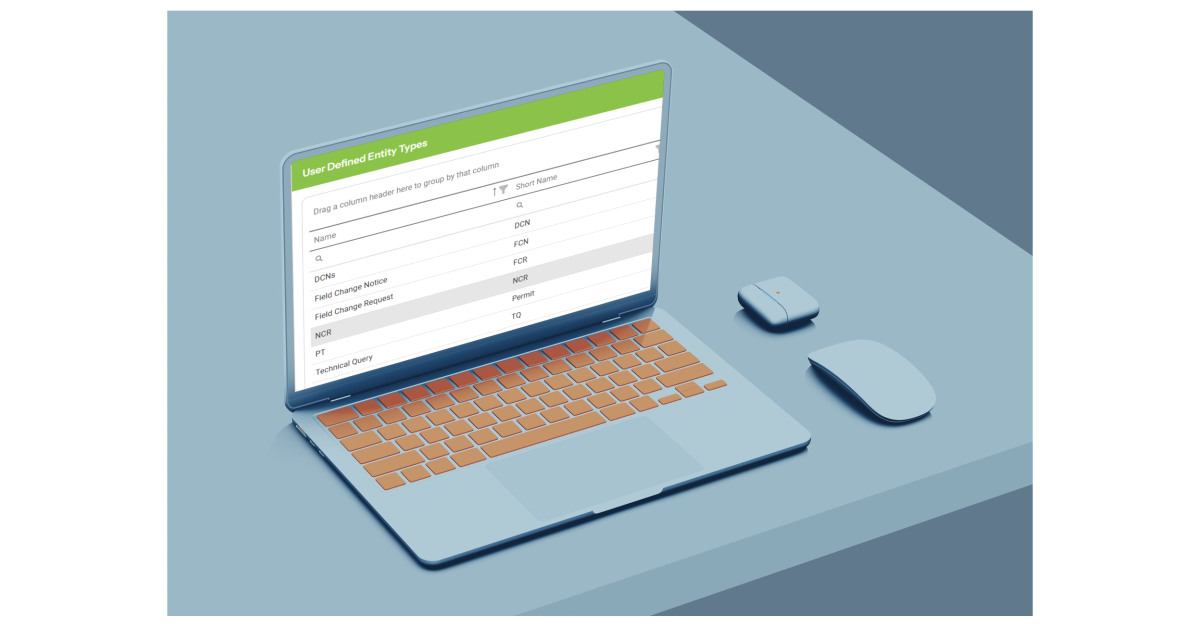
Selecting or building software to support complex project delivery typically begins with careful requirements gathering and alignment across stakeholders. Even with a solid plan, reality sets in after go-live: new data fields are needed, processes evolve, terminology differs by organization, and external requirements change. Systems that cannot adapt quickly become hard to use or obsolete.
The challenge is balancing a strong, standardized core with the flexibility to reflect each client’s unique workflows, without resorting to custom code or one-off implementations.
O3 is built on a proven project management framework that supports methodologies such as Advanced Work Packaging (AWP) and traditional Work Breakdown Structures (WBS). Around this core, the platform provides configurable data grids, forms, reports, and dashboards, giving teams the ability to tailor their experience while preserving consistency, security, and performance.
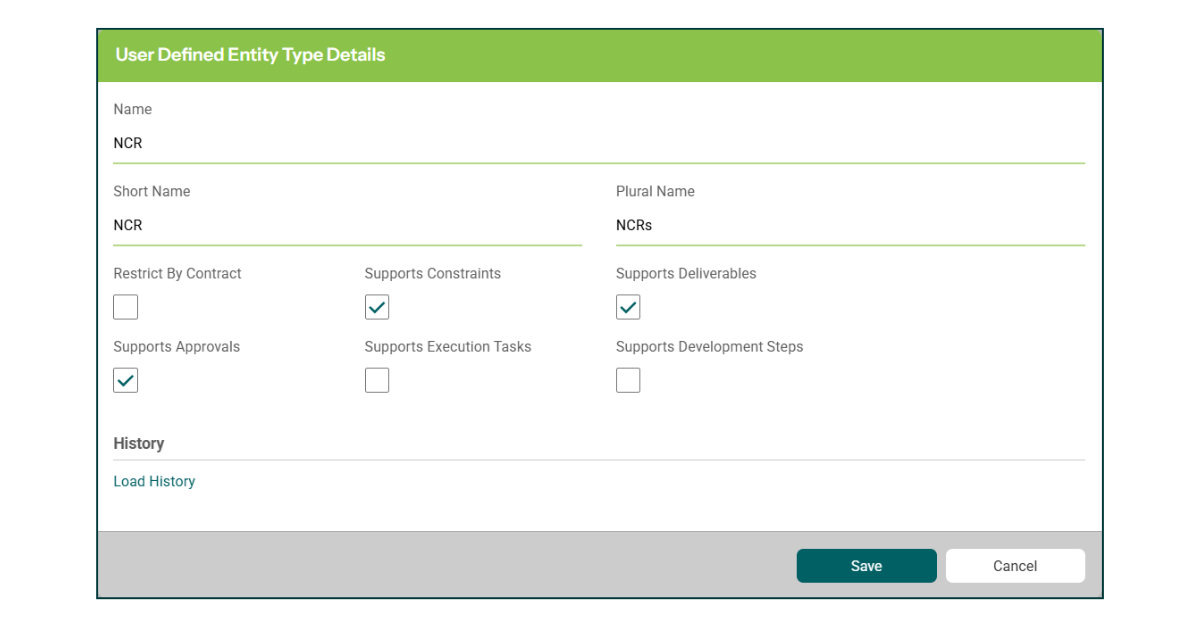
User-Defined Entities extend that flexibility. UDEs let organizations model additional business objects and processes using O3’s data model, permissions, workflows, and reporting, without custom development.
Put simply: if you can describe the item you need to track and how it behaves, you can represent it in O3 as an entity.
.png?width=1200&height=627&name=UDEs%20-%20blog%20screenshot%201%20(2).png)
With UDEs, organizations (or even individual projects) can align the platform to their terminology and governance while remaining within O3’s familiar, secure framework.

No code is required, and configurations are maintainable over time by authorized administrators.
Our Release Cadence: A Promise, Not Just a Practice
As part of our culture and commitment to customers, O3 ships on a bi-weekly release cadence. This predictable rhythm ensures new capabilities, like enhancements to UDEs, reach you quickly, with clear release notes and minimal disruption. It’s how we keep the platform aligned with your evolving needs.
Change is inevitable; complexity is optional. By combining a robust project delivery core with UDEs, O3 gives you a system that is both dependable and adaptable.
Experience how O3 can streamline your project management, reduce costs, and ensure on-time, on-budget delivery. Start your journey to smarter execution today.